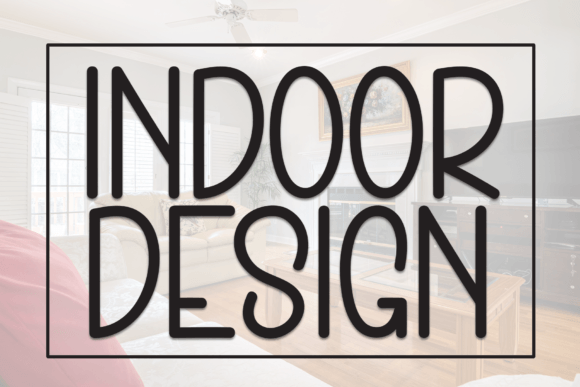
Indoor Design Font Review
As a designer working on a lifestyle blog redesign, I found myself searching for a font that could bring a sense of warmth and personality to the site’s visual identity. After testing several options, Indoor Design stood out as a font that felt both inviting and refined, perfect for adding character without overwhelming the reader.
Indoor Design for Wedding Invitations and Elegant Branding
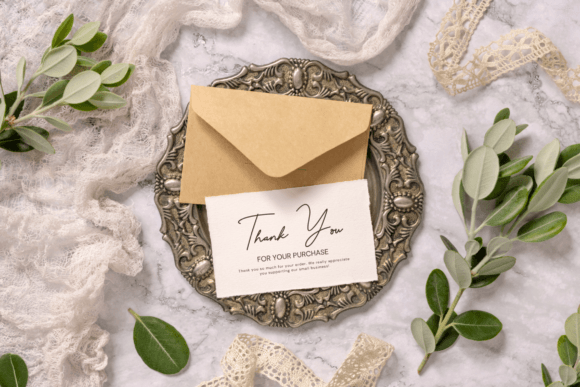
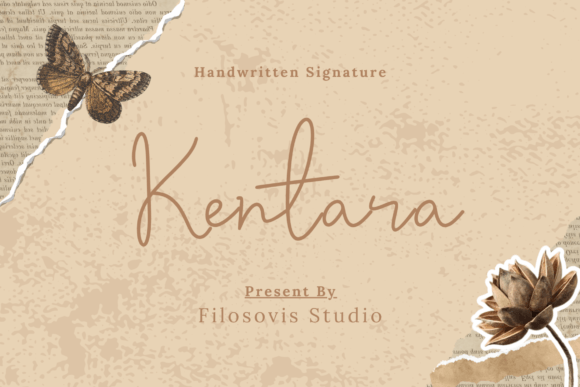
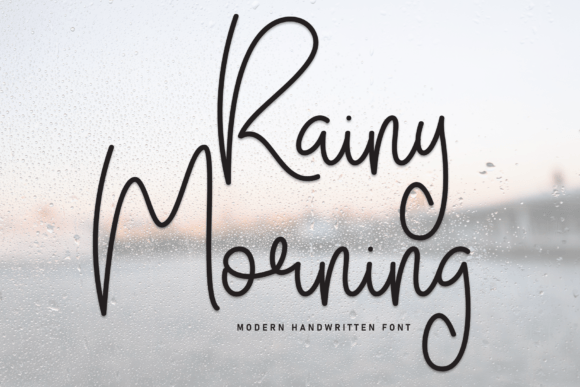
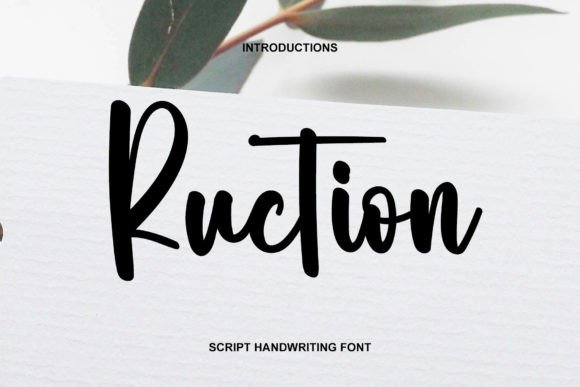
Indoor Design is a script handwritten font that radiates warmth and friendliness, making it ideal for wedding invitations and other elegant branding projects. Its soft curves and gentle slant create a sense of intimacy that resonates well with couples looking to express their personal style through stationery. The font’s whimsical touch adds a playful yet sophisticated edge, allowing for creative expression while maintaining a professional appearance.
When used in wedding invitations, Indoor Design can be paired with a clean serif font for body text, creating a balanced contrast that enhances readability without sacrificing aesthetic appeal. This combination works particularly well in digital and print formats, ensuring that the message remains clear and the design feels cohesive.
Indoor Design in Recipe Ebooks and Digital Magazines
For a recipe ebook, Indoor Design can serve as a strong title font, drawing readers in with its friendly and approachable look. Its legibility at larger sizes makes it suitable for chapter headings or section openers, where it can add a touch of personality without hindering the reading experience. When paired with a sans serif font for body copy, the font becomes a powerful tool for setting the tone of the publication.
In digital magazines, Indoor Design can be used for pull quotes or feature headlines, offering a visually appealing way to highlight key content. Its fluidity and rhythm make it especially effective when used in editorial layouts that aim to evoke a sense of comfort and creativity. Whether in a food magazine or a wellness publication, the font supports a relaxed, reader-friendly atmosphere.
Indoor Design for Newsletter Headers and Social Media Graphics
Newsletters often benefit from a font that feels personal and engaging, and Indoor Design fits this need perfectly. As a newsletter header font, it can add a unique touch that distinguishes the publication from others. Its handwritten quality gives the impression of a handwritten note, which can help build a stronger connection with the audience.
On social media, Indoor Design can be used for graphic elements such as captions, quote cards, or promotional banners. Its versatility allows it to work across different platforms, from Instagram posts to Facebook cover images. The font’s expressive nature makes it ideal for campaigns that aim to convey warmth and authenticity.
Indoor Design in Coaching Workbooks and Printable Planners
For coaching workbooks or printable planners, Indoor Design can be used to add a personal touch to headers, section titles, or motivational quotes. Its soft, flowing style creates a sense of calm and encouragement, which aligns well with the goals of these types of publications. When used in smaller sizes, the font maintains its clarity, making it suitable for worksheets and guided exercises.
However, it’s important to consider the font’s limitations. While it excels in display roles, it may not be the best choice for long blocks of text due to its more decorative nature. In such cases, pairing it with a readable serif or sans serif font ensures that the overall design remains functional and easy to navigate.
Indoor Design for Editorial Layouts and Content Branding
When used in editorial layouts, Indoor Design can help establish a distinct brand identity. Its warm and friendly personality makes it an excellent choice for publications targeting audiences who value creativity, mindfulness, or personal growth. Whether in a digital magazine or a printed editorial feature, the font contributes to a cohesive and inviting visual language.
For content branding, Indoor Design can be used in logos, website headers, or social media avatars. Its handwritten quality gives a sense of approachability, which is crucial for building trust and engagement. When combined with other design elements, the font can become a signature element of a brand’s visual identity.